

Fire Sprinkler Systems in Monolithic Domes
June 29, 2006 (updated April 27, 2007)
by David B. South
 |
 |
 |
The Code
In recent years, building codes throughout the United States have been gradually progressing toward standardization. The goal, it appears, is for every area to have the same code. That code is called the IBC or International Building Code.
When it comes to fire safety in general and fire sprinkler systems in particular, the IBC maintains stringent rules. In a nutshell, the IBC dictates that if the building will hold three hundred or more people it has to be sprinklered (have a sprinkler system).
Certainly just about all Monolithic Domes designed for general or public use fit the requirement for a fire sprinkler system.
The Dome's Advantages
The Monolithic Dome has two huge advantages when it comes to fire safety and sprinklers.
- Its concrete shell will not burn.
- Sprinklers are easier to install and protect.
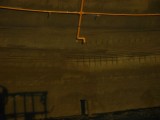
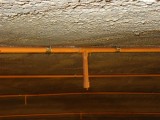
In a Monolithic Dome, we can effectively bury the sprinkler pipes in the concrete, in much the same way as we encase electrical conduit. Because we can protect the sprinkler pipes, we can use CPVC (chlorinated polyvinyl chloride) pipe.
CPVC pipe is less expensive than steel pipe, but when it's embedded in concrete and protected from physical damage, it meets all IBC requirements.
Some Additional Trade-offs
At first, I really fought the idea that we needed to install a fire sprinkler system in a Monolithic Dome. But there are some nice trade-offs. Compared to a non-sprinklered building, a sprinklered one requires fewer fire safety features and items, such as fire corridors and fire rated doors.
And generally fire insurance for a sprinklered structure costs less.
In the future, you can expect most large Monolithic Domes to be sprinklered, and, in most, the sprinkler pipes will be encased in the concrete.
 |
 |
 |
 |
 |
Related Articles:
- A Monolithic Dome Indestructible Fire Station
- Wind, Water and Monolithic Domes
- Liquefaction and Earthquakes
- The Shocking Truth About Lightning and Monolithic Domes
- Surviving Tornadoes and Hurricanes
- Hazard Amnesia
- Real Solutions to Real Problems
- Passing the Bullet Test-- The strength and durability of Monolithic Domes
- FEMA -- Design and Construction for Community Shelters and Its Application to Domes
- "Safe Room" or a "Safe Home?"
- Understanding Seismic Zones
- Building Survivability
- Monolithic Dome Survives Engulfing Flames of California Wildfire
177
Dome Park Place - Italy, TX 76651
Tel (972)483-7423 - Fax (972)483-6662
 | Press Room